The Scroll Is Part of the Story: How Desi America Turned End Credits Into a 2026 Theater Ritual

Photo: Kenneth Allen , CC BY-SA 2.0, via Wikimedia Commons
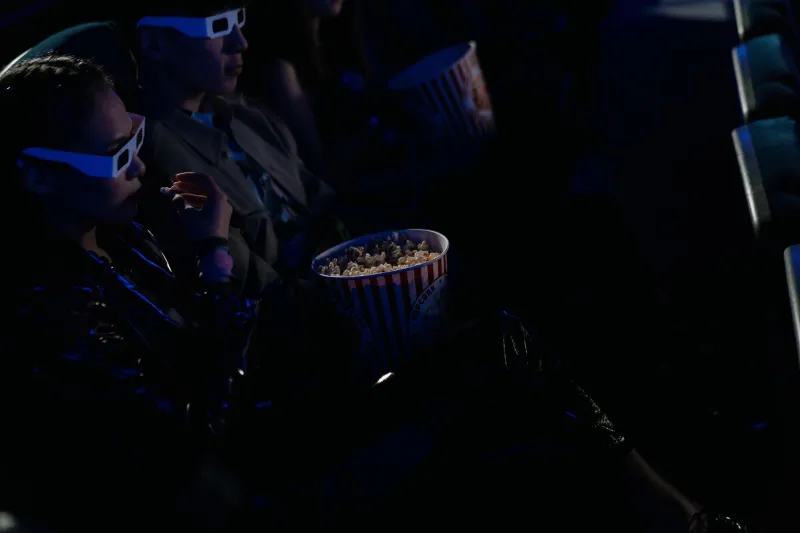
At a Saturday-night show of a Telugu family drama in a suburban Dallas multiplex, the plot resolves, the hero hugs his mother, and the screen fades to black. Half the auditorium stands. The other half—the half that grew up on Indian films—stays planted, eyes on the scroll. They aren’t waiting for a superhero cameo. They’re waiting for the part where the villain trips over a cable, the heroine laughs mid-take, and a grip named Ramesh gets a thank-you card from the director.
That’s the 2026 Desi moviegoing vibe. End credits aren’t a polite exit cue anymore. They’re the after-party.
From Walkout to Wait-Out
American multiplex habits are efficient: movie ends, lights up, sprint to the car. Indian cinema has always been looser about this. Songs over the credits, a “thank you” to the audience, maybe a title card for the censor board. But this year, US Desi audiences are treating the credit sequence like a bonus chapter. The shift is partly practical—streaming platforms have made the full scroll part of the rewatch, so people know what’s in there. It’s partly social: if you leave early, you miss the group-chat moment.
In 2026, theater chains in Edison, Fremont, and Irving have noticed. Ushers no longer rush to clear the aisle. Some locations even keep the lights low a beat longer because they know the bloopers are coming.
The Blooper Reel as Family Wedding Video
Here’s the thing about Indian film end credits: they often feel homemade in the best way. A blooper reel where the hero forgets his line. A dance outtake where the choreographer yells “once more, with feeling!” A card that thanks “all the mothers who fed the crew.” For second-generation Desi viewers, this is familiar terrain. It’s the same energy as the extended-cut wedding video your cousin sent at 2 a.m.—the one where the uncle’s speech goes off-script and the flower girl steals the mic.
That’s why leaving early now feels like a minor betrayal. The credits are where the movie admits it was made by people. In a year when so much Indian cinema is polished for global export, the blooper reel is a reminder that the polish came with jokes, retakes, and somebody’s cousin doing craft services.
Why Streaming Cuts Changed the Theater Habit
Streaming didn’t just change how Desi America watches movies; it changed what counts as the ending. When a film drops on Netflix or Prime with the full credit sequence intact—and when social clips surface the best outtakes within hours—the theatrical audience learns to expect the same. In 2026, some US releases even advertise “stay for the credits” in desi group chats, not as a gimmick but as a courtesy.
The result is a quiet negotiation in the theater. The Marvel-trained viewer stays for a post-credits scene. The Desi viewer stays for the whole scroll. Both are waiting, but only one is reading the names.
The Second-Gen Credit Literacy
There’s a generational thing happening too. For kids who grew up translating for their parents, credits used to be the boring part before the parking lot. Now they’re a flex. They can spot the same character actor’s name in three different 2026 releases. They know which production house always includes a blooper reel. They’ve learned that a “special thanks” to a temple in Chennai is not filler—it’s a clue about how the film got made.
That literacy is changing theater etiquette. In a packed Friday show, the aisle doesn’t fill the second the plot ends. People linger, phone flashlights off, watching names scroll. It’s a small act of resistance against the American rush-out, and it’s becoming its own ritual.
The Social Math of Staying
Staying through credits is also a social decision. If you leave, you risk being the person who texts “wait, was there a blooper?” and gets a screenshot in response. In 2026, the group chat is the real post-credits scene. The friend who stayed becomes the one who explains the inside joke. The one who left gets the recap, but not the laugh.
For families, it’s a low-stakes bonding moment. The movie is over, the stakes are gone, and the credits give everyone a minute to transition—from story to parking lot, from screen to school-night routine. It’s the Desi equivalent of sitting around the table after dinner, not because you’re still hungry, but because nobody’s ready to get up.
What 2026 Releases Are Teaching Us
This year’s crop of Indian films in US theaters has leaned into the trend. More end-credit sequences include regional-specific jokes that only land with a Desi audience. More directors use the scroll to thank diaspora exhibitors by name. More films end with a song that’s meant to be heard while the audience is still in their seats, not on their way to the exit.
None of this is an accident. The credit sequence is cheap real estate for goodwill, and 2026 audiences are rewarding it. They’re staying. They’re watching. They’re treating the scroll as the last scene—because for a lot of Desi moviegoers in America, it is.
So next time the lights come up and half the theater doesn’t move, don’t assume they’re waiting for a superhero. They’re waiting for the part where the movie says thank you. And in 2026, that’s worth the parking lot traffic.