The Party Ticket: When a Desi Birthday Moves to the Movies
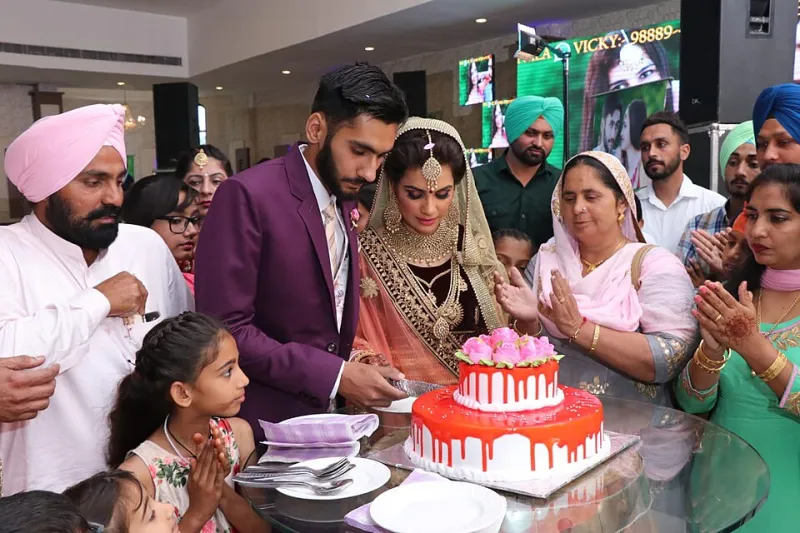
Photo: Benipal hardarshan, CC BY-SA 3.0, via Wikimedia Commons
The lobby of the AMC in Frisco, Texas, smells like buttered popcorn and birthday candles. A cluster of aunties in silk saris are arranging a dozen cupcakes on a theater ledge while a birthday boy in a Spider-Man T-shirt tries to photobomb every group shot. It’s 6:45 p.m. on a Saturday, and the 7:15 show of a new Telugu actioner is about to start. But this isn’t just a movie night—it’s a ninth birthday party, and the theater is the venue.
Welcome to one of 2026’s most unexpected Desi American rituals: the movie-theater birthday. Across the country, families are ditching the trampoline park and the community hall for a block of reserved seats at the latest Indian release. They’re bringing cakes in coolers, coordinating color-coded outfits, and turning the pre-show lobby into a temporary party zone. And theaters, distributors, and film teams are starting to lean in.
From Living Room to Lobby
It didn’t start as a trend. For years, Desi families have celebrated milestones with a movie—often a big-ticket release that happens to fall on a birthday weekend. But in 2026, the casual coincidence has hardened into a routine. “We used to do a pizza party at home and then maybe catch a movie the next day,” says Priya, a mom of two in Edison, New Jersey. “Now the movie is the party. We book twenty tickets, order a cake from the bakery next to the theater, and the kids feel like they’re at a premiere.”
The shift is partly practical. Renting a party room costs upward of $400; twenty movie tickets at a suburban multiplex might run $250, especially with matinee pricing. And for parents, the appeal is obvious: two hours of entertainment, no cleanup, and a built-in activity that everyone—from toddlers to grandparents—can enjoy.
But it’s also cultural. Indian films are long, loud, and unapologetically emotional, and they play to a crowd that treats the theater like an extension of the living room. When you add a birthday cake, the whole thing starts to feel like a family function with a better sound system.
The Logistics of a Cinema Party
The playbook is surprisingly consistent. First, pick the film. Families scan release calendars weeks in advance, looking for a title that skews family-friendly and has enough buzz to fill a row. Regional films are often the safest bet: a Malayalam feel-good drama or a Telugu mass entertainer tends to draw a broad age range.
Next, book seats. The goal is a contiguous block—usually the back two rows, where kids can wiggle and parents can keep an eye on everyone. “We call it the balcony,” laughs Suresh, a dad in the Bay Area. “It’s not actually a balcony, but it’s the row where all the birthday action happens.”
Then comes the cake. Theater policies vary, but many Desi families have perfected the art of the “lobby cake”—a small sheet cake or a box of cupcakes that gets cut and distributed before the movie starts, not during. Some theaters now allow outside food for private group bookings; others turn a blind eye if the group is big enough. Either way, the lobby becomes a makeshift party hall: balloons taped to a trash can, a Bluetooth speaker playing “Happy Birthday” on low volume, and a flurry of photos before ushers start eyeing the mess.
Why Theaters Are Catching On
Multiplex chains have noticed. In 2026, several AMC and Cinemark locations in Desi-heavy suburbs are quietly offering “celebration packages” for Indian film releases—reserved rows, a dedicated party host, and sometimes even a cake-cutting station in a private alcove. It’s not advertised on the main website, but word travels fast through WhatsApp groups and community forums.
Distributors are also getting in on the act. For big regional releases, some teams now coordinate with local theaters to create “birthday-friendly” showings: earlier start times on Saturdays, lower volume for the first ten minutes of trailers, and a guarantee that the house lights stay up a little longer during the pre-show. “It’s not about changing the movie,” says a distributor who handles Tamil films in the Midwest. “It’s about making the experience feel like an event that families can build around.”
The Regional Spin
The birthday-party wave looks different depending on which film you’re seeing. Telugu and Tamil audiences tend to go big—whole rows, matching T-shirts, and a party that spills into the parking lot. Malayalam families often keep it more intimate: a small group, a quiet cake in the car, and a strong preference for matinee shows. Hindi films draw mixed crowds, but the birthday angle is especially strong for Bollywood releases that land during summer break or Diwali week.
What unites them is the timing. Families plan birthdays around release dates, not the other way around. If a highly anticipated film drops on a Friday, expect a wave of Saturday parties. If the release gets pushed, so does the party. “We’ve had to reschedule my daughter’s birthday twice because of a Tamil film’s release date,” one mom in Dallas admits. “But honestly, she didn’t mind. She wanted to see the movie more than she wanted the bouncy castle.”
The Economics of a Party Ticket
For theaters, the math is appealing. A group of twenty buys twenty tickets, plus popcorn combos, plus sodas—and often returns the next weekend for a second viewing. For families, it’s a cost-effective way to host a party without committing to a full-scale event. And for the film itself, it’s a mini-marketing engine: every birthday party generates social media posts, group chats, and word-of-mouth buzz that no trailer can buy.
But there are limits. Not every theater allows outside food, and not every film is appropriate for a seven-year-old. Some parents admit the trend can get competitive—who booked the bigger row, whose cake was more elaborate—but most say it’s a natural extension of the way Desi families already celebrate: together, loudly, and with plenty of food.
What It Means for Diaspora Families
At its core, the movie-birthday trend is about belonging. For kids growing up in the US, an Indian film is a rare space where their parents’ culture is the default, not the exception. Celebrating a birthday there tells them that their heritage is something to be shared, not sidelined. For parents, it’s a chance to mark a milestone without losing the thread of community that runs through every Indian gathering.
And for the theaters, it’s a lesson in listening. The Desi audience isn’t just a niche market—it’s a community that turns a movie ticket into a memory. In 2026, that memory just happens to come with a cake.
So the next time you see a line of families in matching outfits outside an Indian film, don’t assume it’s just a big opening weekend. Somewhere in that crowd, there’s a birthday kid, a set of candles, and a whole lot of aunties ready to sing. The party isn’t in the movie—it’s in the lobby.