Chai at the Counter: Why Desi Snacks Are 2026’s Quiet Multiplex Upgrade
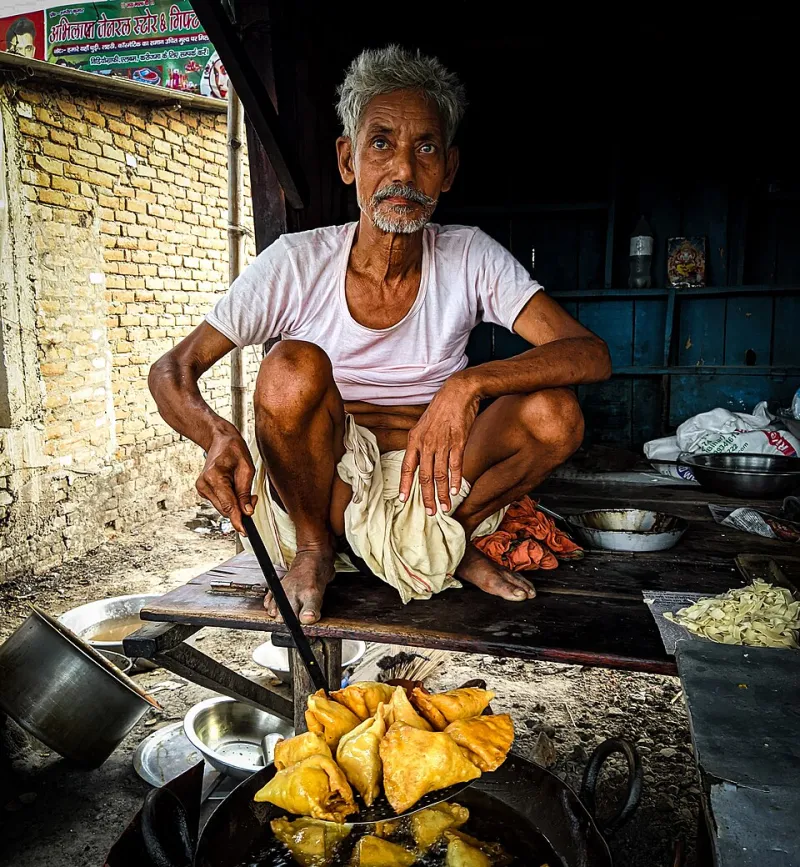
Photo: Satyamazp, CC BY-SA 4.0, via Wikimedia Commons
Walk into the right multiplex in Edison, Fremont, or Plano on a Friday night in 2026 and the lobby tells a different story than it did a few years ago. The popcorn machine is still there. The soda fountain has not gone anywhere. But beside them, increasingly, there is a tray of samosas, a chai urn, maybe a mango lassi in a chilled case. The concession stand is becoming a small, edible test of how well US theaters understand the desi audience that keeps showing up for Indian films.
This is not a universal change. Plenty of American multiplexes still offer the same hot dogs and nachos they offered in 2019. But the direction of travel is clear. Where Indian films draw reliable crowds, theater operators are experimenting with menu items that speak to those crowds. The samosa at the concession stand is not just a snack. It is a signal, a line item, and a small cultural bet.
The Margin Math Is the Real Headline
Concessions have always been the quiet profit engine of the movie business. Tickets often carry thin margins, especially after studios and distributors take their share. The candy, popcorn, and soda counter is where theaters make much of their money. So when a theater adds Indian snacks, it is not just being neighborly. It is following the receipts.
Indian films in the US frequently play to packed houses in select markets, and those audiences tend to arrive in groups. Families, friend circles, and multi-generational parties buy more than one ticket at a time. They also tend to treat movie night as an outing, not just a screening. That behavior is attractive to exhibitors. A family of five that orders samosas, chai, and a couple of popcorns is a better concession basket than a solo viewer with a small soda.
The math is simple: if a theater can sell a $6 samosa and a $5 chai to a customer who might otherwise have bought nothing, the experiment pays for itself quickly. The challenge is making sure the food is good enough that the customer comes back for it next time.
What Sells, What Sits, and What Needs a Better Plan
The early 2026 menu experiments are not all the same. Samosas are the obvious entry point because they are familiar, handheld, and easy to batch. Chai is close behind, especially in colder months. Pakoras, vadas, and small savory snacks show up in theaters with a South Indian audience base. Mango lassi and rose milk appear where the operator is willing to manage dairy and refrigeration.
But not every Indian snack travels well to a multiplex. A samosa that has been under a heat lamp for forty minutes is not a samosa anymore. It is a disappointment with a pastry shell. Chai that has been sitting in an urn since the afternoon can taste like sweet cardboard. Theaters that treat Indian snacks as a novelty item will get novelty-level results.
The logistics are also more complicated than they look. Fryer space is limited. Chai requires dairy, hot water, and a cleaning routine. Spices travel through ventilation in ways that popcorn does not. Staff need to know the difference between a mild and a hot chutney, and they need to explain it without a lecture. Some theaters are partnering with local Indian restaurants or caterers. Others are testing frozen or pre-packaged options. The best versions tend to be the ones where the theater admits it is not a restaurant and builds a small menu it can actually execute.
A Cultural Signal With a Receipt Attached
The concession stand has always been a mirror. It tells you who the theater expects to walk through the door. For decades, that mirror reflected a mainstream American audience with a sweet tooth and a large soda habit. In 2026, in certain ZIP codes, it reflects something else: a desi audience that is large enough, consistent enough, and vocal enough to change the menu.
That matters beyond food. When a theater stocks chai, it is acknowledging that Indian films are not a niche rental anymore. They are a recurring event. The snack is a form of hospitality, but it is also a form of data. Operators are watching what sells, what gets photographed, and what gets mentioned in group chats. A samosa counter can become a small marketing asset. It gives desi moviegoers one more reason to choose that theater over another, and one more thing to post about before the trailers even start.
The New Movie-Night Math for Desi Families
For desi families, the concession experiment changes the choreography of the evening. Many households already plan around dinner and a movie. If the theater has reliable snacks, the pre-movie dinner stop can become optional. That is a small convenience, but it adds up. Parents with young kids do not have to rush through a restaurant meal. Friend groups can meet at the theater instead of coordinating two locations. The chai becomes a reason to arrive early rather than a reason to leave the house later.
There is a budget angle too. Theater snacks are rarely cheap. A family that spends $40 on tickets may not want to add another $30 at the counter. The smart move is to treat the concession stand as part of the outing, not an afterthought. Share a couple of samosas. Order one chai and ask for extra cups. Preorder where the theater allows it. And check whether the snacks are available at the location and showtime you are actually attending, because the rollout is uneven.
Where the Experiment Still Stumbles
The biggest risk is authenticity theater. A samosa that tastes like a frozen appetizer from a chain restaurant will not win over an audience that grew up eating them at home. A chai that is basically sweet milk with a tea bag will get one order and no repeat business. Theaters that want to serve desi audiences have to respect the food, not just the demographic.
There is also the question of scale. A large multiplex can afford to test a small Indian menu. A smaller theater may not have the staff or the foot traffic to justify it. And popcorn is still king. No one is suggesting that samosas replace the classic concession stand. The experiment works best as an addition, not a replacement.
The Counter as a Small Test of Belonging
In 2026, the samosa at the concession stand is still a test. It is a test of whether theaters can get the food right, whether audiences will pay for it, and whether a snack can do what a poster sometimes cannot: make a community feel expected. The answer is not settled. But the fact that the experiment is happening at all says something about how far Indian cinema has moved into the American moviegoing routine. The next time you see a chai urn next to the soda fountain, look around. The line at the counter is its own kind of box office report.