Checkout Counter Cinema: Why Desi Grocery Stores Are 2026’s Sneaky Film Marketers
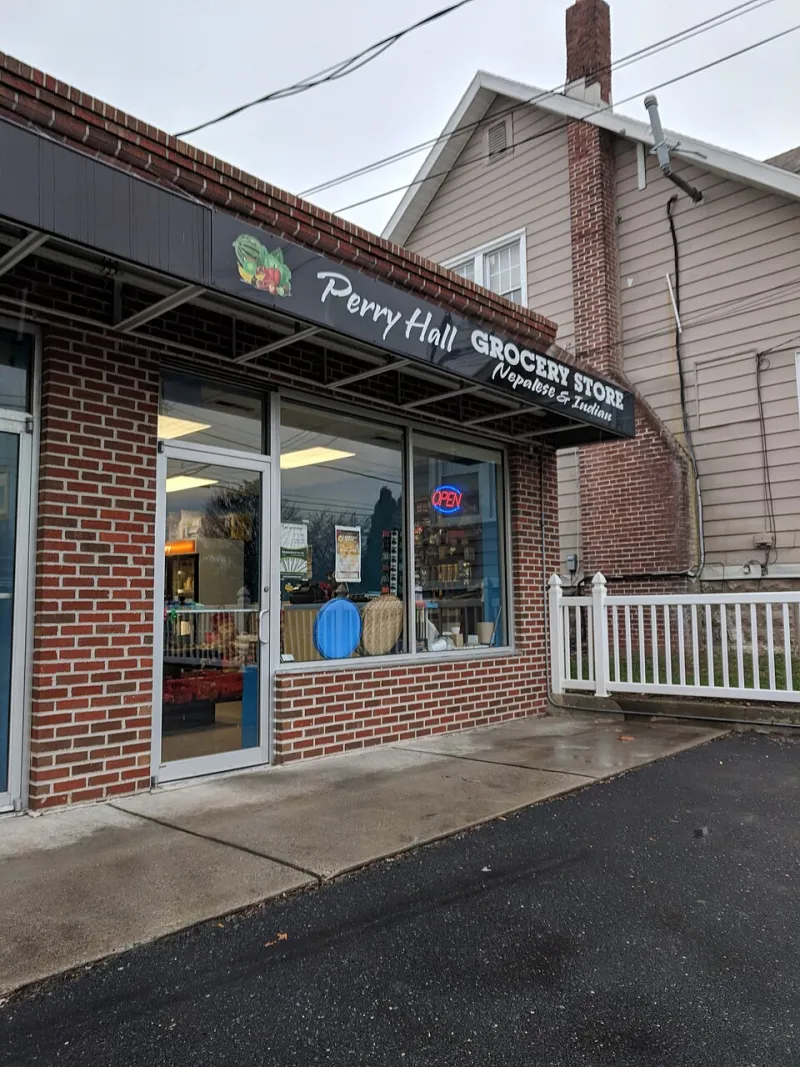
Photo: Bohemian Baltimore, CC BY-SA 4.0, via Wikimedia Commons
On a Saturday afternoon in Edison, New Jersey, a family walks into an Indian grocery store for atta, dal, and yogurt. They leave with all three, plus a bag of mixture, a case of mango drink, and a small flyer taped near the register advertising a Telugu release playing two towns over. That flyer is not a souvenir. In 2026, it is part of a quiet, hyperlocal marketing system that has become surprisingly influential in how desi America finds Indian films.
The Aisle as a Focus Group
Movie marketing usually chases attention in loud places: trailers before a big release, sponsored posts, multiplex lobby screens, group-chat forwards. Indian grocery stores offer something different. They capture people during an ordinary errand, when they are not actively browsing entertainment content. That makes the store aisle a kind of informal focus group. A manager in Fremont can see which language groups shop on weekends. A shop in Irving can tell whether Malayalam films are getting requests. A Patel Brothers-style chain location in the Chicago suburbs can gauge family foot traffic better than any studio dashboard.
For distributors, that local knowledge is valuable. A Tamil film may get a poster near the entrance in one neighborhood and a smaller stack of flyers near checkout in another. A Hindi release might sit beside the snack shelves. A small Malayalam title might rely on a handwritten showtime sheet taped to the glass. The result is not a national campaign. It is a block-by-block conversation, and in 2026 it is shaping opening-week awareness for films that cannot afford wall-to-wall ads.
Posters Where People Already Wait
Grocery stores are full of waiting moments: the checkout line, the deli counter, the aisle where someone is comparing brands of ghee. Film marketers have learned to use those pauses. Posters go up near entrances, above produce bins, and beside checkout lanes. Some regional chains use branded standees. Smaller shops take a more improvised approach, printing flyers at the counter and taping them to the register. None of it looks like a Hollywood campaign, and that is part of the appeal. It feels local, practical, and easy to act on.
The placement matters because it repeats. A family may ignore a poster once. By the third weekend errand, the title starts to feel familiar. That familiarity can be enough to turn a maybe into a ticket, especially when the flyer includes the theater name, showtime, and language version. For busy desi households, convenience is a form of persuasion. The grocery store does not just advertise the film. It removes a small step from the decision.
The Snack Tie-In Is the New Coming Attraction
Snack tie-ins have become another opening-week tool. Some are official, with studios providing shelf talkers or package stickers. Many are informal, with store owners creating their own movie-night bundles: mixture, murukku, a few sweets, and a bottle of soda placed near the checkout. The logic is simple. Indian movie night is already a food event. A grocery store can sell the film and the intermission in one stop.
Ticket giveaways work the same way. A shop might offer a drawing for two tickets with a purchase, or print a QR code that leads to a local theater’s showtimes. Even when the giveaway is modest, it creates a reason to pause. It also gives the store a relationship with the theater, which can lead to poster exchanges and opening-weekend flyers. In 2026, these small partnerships are less flashy than a red-carpet premiere, but they are often more useful for a film trying to fill a Tuesday screening in a suburb with a strong desi population.
WhatsApp Is the Distribution Network
Perhaps the most effective grocery-store marketing happens after the customer leaves. Store owners and managers run WhatsApp broadcast lists, neighborhood groups, and customer chats. When a new Indian film opens, the store may forward a flyer with showtimes, theater locations, and a note about language versions. Customers forward it to family groups. An uncle in Dallas sees it. A cousin in Sunnyvale sees it. A friend in New Jersey sees it.
This is not a replacement for studio marketing. It is a trust network. The message arrives from a shop that already knows the customer’s preferences, at least loosely. That gives it a different weight than a sponsored post from an unfamiliar account. For smaller films, especially regional titles, this kind of forwarding can be the difference between an empty matinee and a decent opening weekend. The flyer does not need to be polished. It needs to be accurate, readable, and easy to send along.
Why It Works Better Than the Algorithm
Streaming platforms recommend based on viewing history. Grocery stores recommend based on community rhythm. They know which families buy Tamil groceries, which ones stock up before a Telugu release, and which ones ask about Malayalam showtimes. That is not data science. It is neighborhood knowledge, and it can be remarkably accurate.
Desi audiences in the US are also fragmented across languages, generations, and cities. A single national campaign can miss the specifics. A grocery store poster in the right aisle can hit the right household. The algorithm may know what someone watched last month. The rice aisle knows what someone is cooking this weekend. In 2026, that is a meaningful difference.
The Limits of Aisle Marketing
Not every store wants to become a film marketer. Posters clutter. Staff time is limited. Some flyers are outdated before they are printed. Smaller films can get lost beside bigger titles with better materials. And no grocery store can replace a strong trailer, a good release date, or a group chat that actually trusts the recommendation.
The best campaigns keep it simple. Clear showtimes. Correct theater names. Language versions spelled out. A QR code that works. A poster that does not block the rice. The grocery store is a partner, not a miracle worker. It works best when it makes the next step obvious.
What to Watch in 2026
The likely next step is more formal cooperation between grocery chains and local theaters, especially in areas with dense desi populations. Expect more QR codes, more snack sampling, and more stores treating opening weekend like a small community event. The billboard may still matter. The trailer still matters. But for a lot of families, the most trusted film tip may come from the checkout counter, folded between the receipt and the grocery list.
So the next time you run in for atta and come out with a showtime flyer, pay attention. In 2026, the rice aisle is not just selling dinner. It is selling the weekend.