The Backseat Vote: Why the Drive to the Theater Decides 2026’s Desi Hits
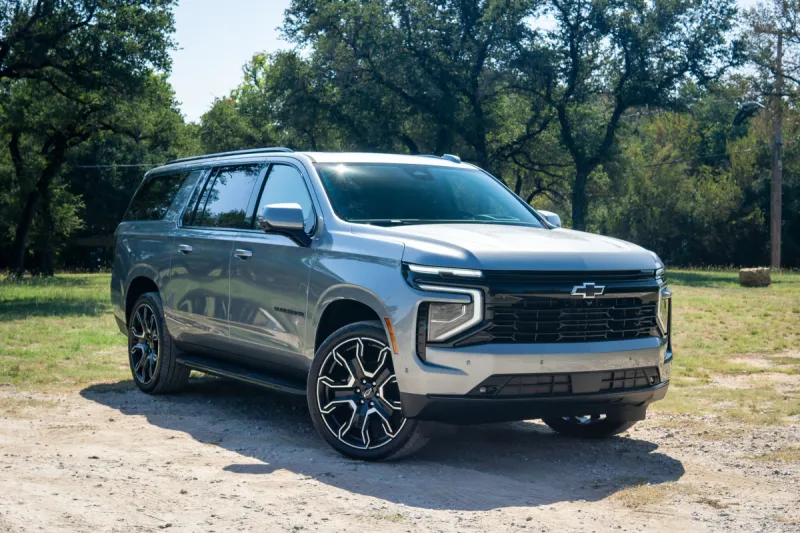
Photo: suburban family car driving to movie theater at dusk USA, via images.ctfassets.net
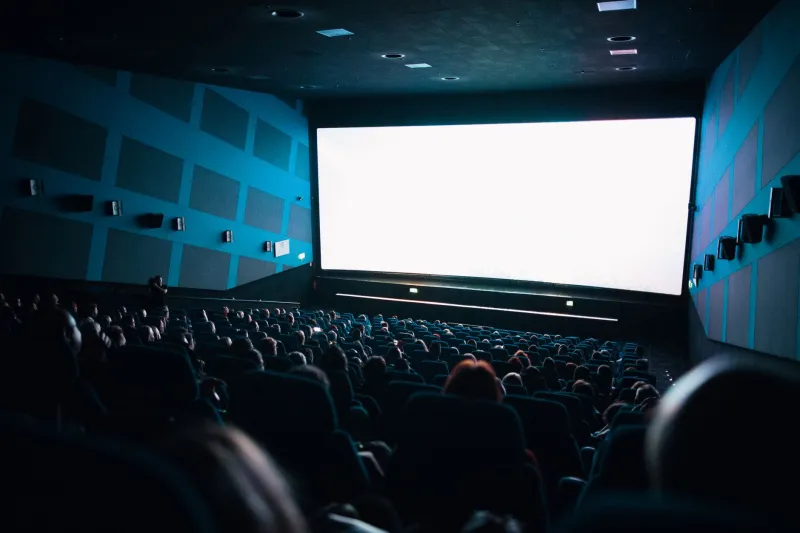
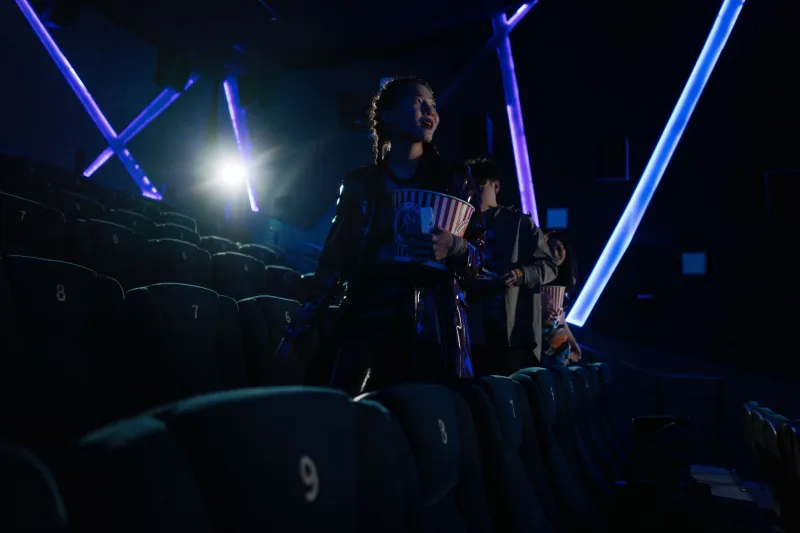
There is a moment in every desi family’s movie conversation when the question changes. It stops being “Do we want to see this?” and becomes “Is this worth the drive?” In much of the United States, the nearest Indian-language screening is not around the corner. It might be two towns over, past the mall, past the exit with the good biryani place, in a theater that shares a parking lot with a mattress store. By the time everyone piles into the car, the ticket price is almost beside the point. The commute is the critic.
That is the quiet gatekeeper of 2026’s Indian cinema box office in America. Big releases still get the loud opening-weekend headlines, but the films that hold on in markets like Dallas, Edison, Fremont, Cary, and the Chicago suburbs are often the ones that survive a very specific family calculation: can we get there, park, settle in, and get home before the whole thing becomes a school-night problem?
The 40-Minute Threshold
Ask around enough desi households and a rough number starts to appear. Forty minutes is not a rule, exactly. It is more like a mood. Under half an hour, a movie is a casual option. Over an hour, it needs a plan. Around 40 minutes, families start doing math that has nothing to do with Rotten Tomatoes and everything to do with Sunday evening.
The calculation includes more than distance. There is traffic on the interstate, the possibility of one kid needing a bathroom five minutes after leaving, and the question of whether the theater has reserved seating or the kind of first-come madness that demands arriving early. A 7:30 p.m. show that is 40 minutes away is not really a 7:30 show. It is a 6:10 departure, a 6:50 parking lot arrival, and a 10:45 return home if the movie runs long. For a family with school the next morning, that is not a night out. That is a logistics exercise.
This is why the Saturday matinee has become such a powerful slot for Indian films in the US. A 2 p.m. show can absorb a 40-minute drive and still leave room for dinner. A 9 p.m. show in the same theater had better be a film the whole family is already sold on. The drive-time filter does not kill movies. It sorts them.
Showtime Math and the Bedtime Veto
Distributors and theater bookers know this pattern well, even if they rarely put it on a chart. In suburban markets, the successful Indian release is often the one that makes itself easy to schedule. Families are not just choosing a film. They are choosing a version of the weekend.
A Friday-night show sounds exciting in the group chat. Then someone remembers the youngest cousin has a soccer game at 8 a.m. on Saturday. The bedtime veto arrives fast. The film may still be a hit, but this particular family will wait for Sunday afternoon or the following week. That delay matters. It is one reason word of mouth has so much room to work in desi America. A movie does not need to win opening night to win the month. It needs to stay on enough screens long enough for the drive-time crowd to find a slot.
This is also where the language version becomes a household decision. A family might be perfectly happy with a Telugu film, but if the only convenient showtime is the Hindi-dubbed version and the grandparents prefer the original, the evening gets complicated. In another house, the kids want the version they can follow without reading every subtitle, while the parents want the version that sounds right. When the theater is 15 minutes away, compromise is easy. When it is 40 minutes away, compromise needs to happen in the car, before anyone leaves the driveway.
One Screen, Three Versions
The version question is not just about language pride. It is about attention spans. A family that drives 40 minutes wants everyone to leave happy. That means matching the showtime, the language, and the audience in the back seat. A regional release with a strong local following can fill a small auditorium because the audience is not casual. It is loyal. Those viewers are not comparing the film to every other release that weekend. They are showing up because the drive is part of the ritual.
That loyalty is why some regional films outperform bigger, broader releases in unexpected US markets. A star vehicle with national marketing may draw a crowd in one suburb and fizzle in another if the showtimes are awkward or the nearest screen is too far. A Malayalam drama, a Tamil action film, or a Kannada release with a devoted base can hold a Tuesday-night audience in a market that looks small on paper. The numbers are not always huge, but they are reliable. The drive-time audience is not browsing. It already decided.
The Snack Stop Is Part of the Ticket
There is another expense line that never makes it into the box-office report: the stop before or after the movie. In desi America, the 40-minute drive often comes with a food plan. Maybe it is samosas from the bakery near the theater. Maybe it is a quick chaat stop because the movie lets out at 10:20 and nobody wants to cook. Maybe it is the dependable Indian grocery run that turns a movie trip into a half-day event.
Families factor this in. A theater with better food nearby gets a small advantage. A theater next to a Patel Brothers or a favorite dosa place becomes a destination, not just a screen. This is not trivial. When the drive is long, the movie has to compete with the entire outing. If the film is merely fine, the snacks can save the night. If the film is great, the snack stop becomes part of the memory. Either way, the theater’s neighborhood matters.
Why Regional Loyalty Travels Better
The 2026 pattern is not that audiences have stopped caring about big releases. It is that the drive-time filter rewards films with built-in commitment. Regional cinema has an advantage here because its audience is often more specific and more motivated. Fans of a particular star or director will drive farther and plan earlier. They will also forgive a smaller screen, a weird showtime, or a theater with less-than-perfect parking if the film is the one they have been waiting for.
That does not mean every regional film is safe. The drive-time test is brutal in its own way. It asks whether the film is worth the gas, the babysitter, the parking fee, and the lost Sunday afternoon. A movie with strong word of mouth can pass. A movie with weak buzz can disappear from a suburban theater before the family ever finds a free evening. The films that win are the ones that make the decision feel easy.
What This Means for 2026’s Box Office
The industry loves opening-weekend numbers because they are clean and loud. But in desi America, the more revealing number might be the second-weekend showtime. Is the film still playing at the theater that is 40 minutes away? Is there a Sunday matinee? Is the version the family wants still available? Those are the questions that decide whether a movie becomes a habit or a missed connection.
For families, the calculation is simple even when it is exhausting. The ticket is one line item. The drive is the whole evening. In 2026, the films that respect that reality are the ones that keep showing up in the group chat long after opening weekend. The back seat has a vote, and it is usually the one that decides.